
Adrenal Disease Treatment for Ferrets in Lenexa, KS
Adrenal disease is one of the most common health problems in pet ferrets, causing hair loss, skin changes and hormonal symptoms. At Mariposa Veterinary Wellness Center in Lenexa, KS, our exotics-trained veterinarians diagnose adrenal disease with in-house ultrasound and offer hormone implants, injections and surgery to help your ferret feel and look like themselves again.
What Is Adrenal Disease in Ferrets?
Adrenal disease is one of the most common illnesses in pet ferrets, typically appearing in middle-aged ferrets around three to seven years old. The adrenal glands, located near the kidneys, begin producing excessive amounts of sex hormones due to an enlarged gland or a tumor. The condition is thought to be linked to early spaying and neutering combined with long daylight exposure in indoor environments, which affects the hormones that stimulate the adrenal glands.
Signs of Adrenal Disease
- Hair loss, often starting at the tail and spreading over the hips and back
- Thin, dry or itchy skin
- A swollen vulva in spayed females
- Difficulty or straining to urinate in males, caused by prostate enlargement, which is an emergency
- Increased aggression or sexual behavior
- Muscle loss and weakness, especially in the hind legs
- Lethargy
If your male ferret is straining to urinate or cannot pass urine, seek veterinary care immediately.
Diagnosing Adrenal Disease
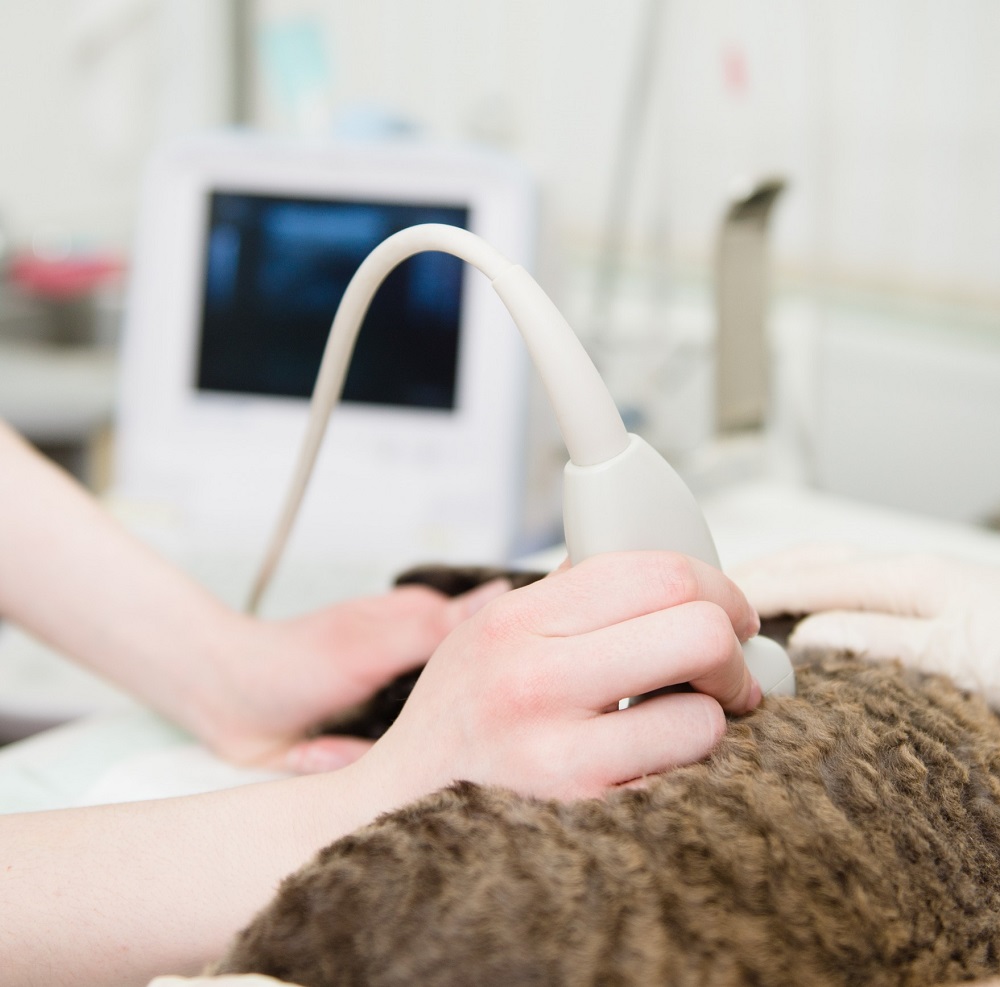
Diagnosis begins with a physical exam by a veterinarian experienced in ferret and exotic pet care. Clinical signs are often very suggestive, and abdominal ultrasound allows us to evaluate the size and appearance of the adrenal glands. We are one of the few veterinary facilities in the Kansas City area able to perform ultrasound exams on exotic pets. Routine blood work helps us assess overall health and screen for other common ferret diseases such as insulinoma, which can occur at the same time.
Treatment Options
Our veterinarians tailor treatment to your ferret’s age, health and symptoms. Options include:
- Deslorelin implants: A small hormone-regulating implant placed under the skin that controls symptoms for many months
- Lupron injections: Hormone therapy given at regular intervals to reduce adrenal hormone production
- Surgery: Removal of the affected adrenal gland in appropriate candidates
- Supportive care: Treatment for prostate problems, skin care and nutritional support
Most ferrets regrow their fur and return to normal behavior within a few months of successful treatment.
Ongoing Ferret Wellness
Ferrets age quickly and are prone to several serious illnesses, so we recommend comprehensive physical exams for all life stages and routine blood work to catch problems early. Supportive therapies such as laser therapy, acupuncture and pain management can also help older ferrets with weakness or joint pain. Our team will also review vaccines, including rabies, as part of your ferret’s preventive care.
Ferret Adrenal Disease FAQs
How common is adrenal disease in ferrets?
Adrenal disease is one of the most common health problems in pet ferrets in the United States, typically developing in middle age.
Why is my ferret losing hair?
Symmetrical hair loss, often beginning at the tail and spreading up the body, is the most common sign of adrenal disease in ferrets.
Is adrenal disease painful for ferrets?
The disease itself may not be painful early on, but skin irritation, muscle weakness and urinary blockage in males can cause significant discomfort.
What is a deslorelin implant?
A deslorelin implant is a small hormone-regulating implant placed under the skin that suppresses the hormones driving adrenal disease and can control symptoms for many months.
Is surgery necessary for ferret adrenal disease?
Not always. Many ferrets are successfully managed with deslorelin implants or Lupron injections. Surgery may be recommended for certain patients.
How often should my ferret see a veterinarian?
We recommend at least annual exams for young ferrets and more frequent visits with blood work as they age, since ferrets are prone to several serious diseases.
Expert Care for Your Ferret
If your ferret is losing hair or acting differently, call (913) 825-3330 to schedule a visit with our exotic pet team at Mariposa Veterinary Wellness Center.