
Kidney Disease Diagnosis & Care for Pets in Lenexa, KS
Kidney disease is one of the most common health problems in aging pets, especially cats, and early detection makes a meaningful difference. At Mariposa Veterinary Wellness Center in Lenexa, KS, we use routine screening, advanced diagnostics and an integrative treatment approach to slow progression, support kidney function and keep your pet comfortable.
Understanding Kidney Disease in Pets
The kidneys filter waste from the blood, regulate hydration and blood pressure, balance electrolytes and produce hormones that support red blood cell production. Kidney disease occurs when these organs lose their ability to do this work. There are two main forms:
- Chronic kidney disease (CKD): A gradual, irreversible loss of kidney function, very common in senior cats and also seen in older dogs
- Acute kidney injury: A sudden decline caused by toxins such as antifreeze, lilies in cats, grapes or raisins in dogs, certain medications, infections or urinary blockages
Other contributors include genetics, high blood pressure, kidney stones and chronic infections, including those linked to untreated dental disease.
Signs of Kidney Disease
Pets often do not show symptoms until a large portion of kidney function has been lost. Watch for:
- Increased thirst and urination
- Decreased appetite or picky eating
- Weight loss and muscle wasting
- Vomiting or nausea
- Lethargy or weakness
- Bad breath with an ammonia-like odor or mouth ulcers
- Poor coat quality
Early Detection Through Screening
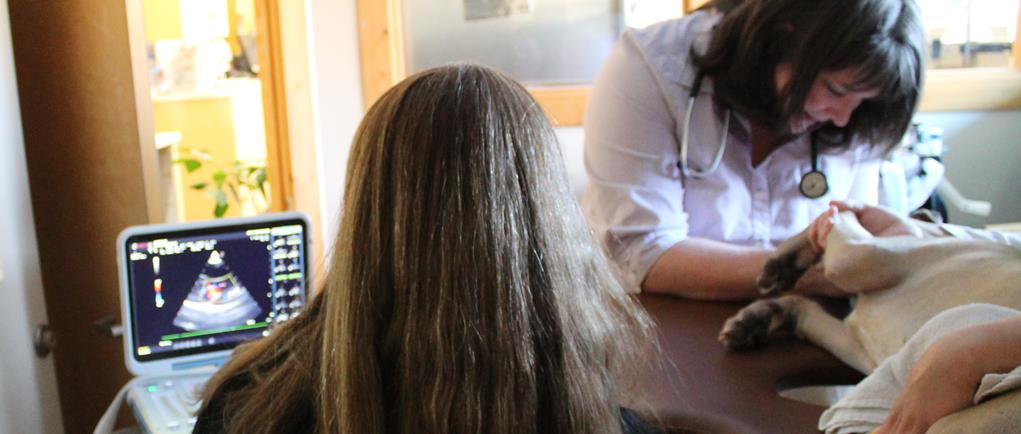
Because kidney disease develops quietly, routine blood work and urinalysis are the best tools for finding it early. During senior wellness visits every six months, we may recommend kidney values, a complete blood count, thyroid testing and urinalysis. Our in-house laboratory, supported by IDEXX, along with sterile urine samples by cystocentesis, blood pressure monitoring and abdominal ultrasound, help us stage the disease and look for stones or structural changes.
Managing Kidney Disease
Chronic kidney disease cannot be reversed, but with proper care many pets live comfortably for months to years. Treatment plans may include:
- Kidney-supportive diets tailored through nutritional counseling
- Fluid therapy, often given at home under the skin
- Medications to control blood pressure, nausea, phosphorus and protein loss
- Herbal medicine for kidney support
- Traditional Chinese Veterinary Medicine and acupuncture to support appetite and comfort
- Whole food supplements from Standard Process
- Regular rechecks to monitor blood values and adjust treatment
Acute kidney injury requires immediate, intensive treatment. If you suspect your pet ate something toxic, contact us or a 24-hour emergency hospital right away.
Comfort and Quality of Life
As kidney disease progresses, our focus remains on keeping your pet comfortable, eating and engaged. Our pain management and palliative care options support pets in their later stages, and when the time comes, we offer gentle aftercare choices such as aquamation.
Pet Kidney Disease FAQs
What are the first signs of kidney disease in cats and dogs?
Increased thirst and urination are often the earliest signs, followed by weight loss, decreased appetite, vomiting and lethargy.
Can kidney disease in pets be cured?
Chronic kidney disease cannot be cured, but it can often be managed for months to years with diet, fluids, medications and supportive therapies. Some acute kidney injuries can be reversed with prompt treatment.
How is kidney disease diagnosed?
Kidney disease is diagnosed with blood work, urinalysis and blood pressure measurement. Ultrasound or radiographs may be used to evaluate kidney structure and look for stones.
How often should my senior pet have blood work?
We recommend wellness visits with blood work every six months for senior pets so kidney changes can be caught early.
Does diet matter for pets with kidney disease?
Yes. A kidney-supportive diet is one of the most important parts of treatment and can help slow progression and keep your pet feeling better.
What household items are toxic to pet kidneys?
Antifreeze, lilies in cats, grapes and raisins in dogs, and certain human pain relievers can cause serious kidney damage. Contact a veterinarian immediately if exposure is suspected.
Schedule Kidney Screening for Your Pet
Early testing helps protect your pet’s health. Call (913) 825-3330 to schedule a wellness exam and blood work at Mariposa Veterinary Wellness Center.