
Periodontal Disease Treatment for Dogs & Cats in Lenexa, KS
Periodontal disease is the most common health problem we see in adult dogs and cats, and it is often painful long before you notice a problem. At Mariposa Veterinary Wellness Center in Lenexa, KS, our team uses ultrasonic scaling, comprehensive charting and digital dental radiographs to treat dental disease thoroughly and protect your pet’s long-term health.
What Is Periodontal Disease?
Periodontal disease is an infection and inflammation of the tissues that support the teeth. It begins when plaque, a sticky film of bacteria, builds up on the teeth and hardens into tartar. Bacteria then spread below the gum line, where they damage the gums, ligaments and bone that hold each tooth in place. Because most of this damage happens out of sight, a pet’s mouth can look only mildly affected while serious disease is present beneath the gums. Periodontal disease is the most common ailment found in dogs and cats over four years old.
How Dental Disease Affects the Whole Body
Periodontal disease does more than cause bad breath. It leads to chronic pain, loose and infected teeth, and tooth loss, and bacteria from the mouth can enter the bloodstream and contribute to damage in the heart, lungs, kidneys and liver. Keeping the mouth healthy is an important part of keeping your pet healthy overall.
Signs of Periodontal Disease
- Bad breath
- Red, swollen or bleeding gums
- Yellow or brown tartar on the teeth
- Loose, broken or missing teeth
- Dropping food, chewing on one side or reluctance to eat hard food
- Pawing at the mouth or drooling
- Facial swelling
Many pets continue eating despite significant dental pain, so regular oral exams during wellness visits are essential.
Professional Dental Care at Mariposa Veterinary Wellness Center
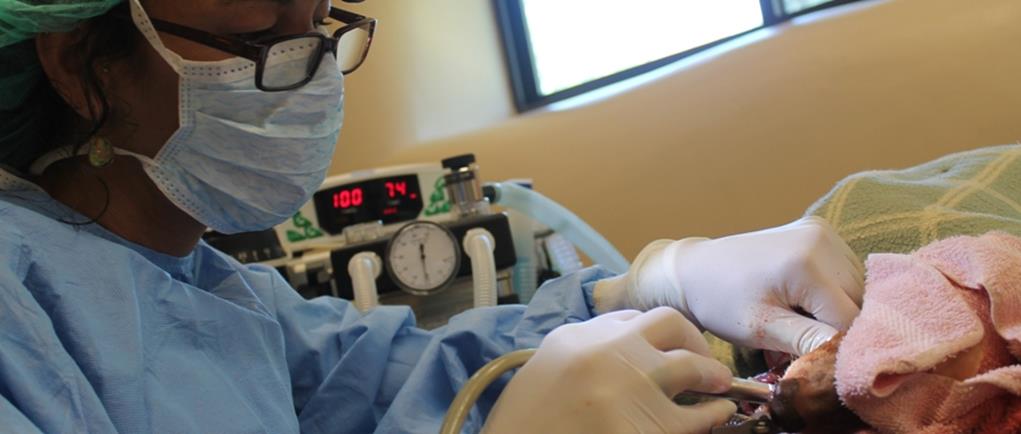
A thorough veterinary dental cleaning is the only way to fully treat periodontal disease. Every patient receives pre-anesthetic evaluation and is intubated and monitored under anesthesia, following the standards required of our AAHA-accredited hospital. Our dental procedures include:
- Ultrasonic scaling above and below the gum line
- Polishing to smooth the tooth surface
- Comprehensive dental charting
- Full-mouth digital dental radiographs to evaluate roots and bone
- Extractions of diseased teeth when needed, performed with comprehensive pain control
Dental radiographs are critical because a large portion of each tooth sits below the gum line. Laser therapy can also help reduce oral inflammation and support healing after extractions.
Preventing Periodontal Disease at Home
Daily tooth brushing with pet-safe toothpaste is the gold standard. Dental chews, appropriate diets and water additives can also help, and our team can recommend products during nutritional counseling. Start dental habits early with puppy and kitten care, and continue regular exams through the senior years. Rabbits and rodents have unique dental needs; learn more on our rabbit dental disease page.
Periodontal Disease FAQs
How common is periodontal disease in pets?
Periodontal disease is the most common health problem in adult dogs and cats, affecting most pets over four years old to some degree.
Why does my pet need anesthesia for a dental cleaning?
Anesthesia allows us to clean below the gum line, take dental radiographs and treat painful teeth safely and thoroughly. Every patient is intubated to protect the airway and monitored throughout the procedure.
Is bad breath normal for pets?
No. Persistent bad breath is often a sign of periodontal disease or another health problem and should be evaluated.
How often does my pet need a dental cleaning?
Most pets benefit from a professional cleaning every one to two years, though some need them more often. We will recommend a schedule based on your pet’s oral exam.
Can periodontal disease affect my pet’s organs?
Yes. Bacteria from infected gums can enter the bloodstream and contribute to damage in the heart, lungs, kidneys and liver.
Will my pet be in pain after tooth extractions?
We provide pain management before, during and after dental procedures. Most pets eat comfortably within a day or two and feel better once painful teeth are removed.
What is the best way to prevent dental disease?
Daily tooth brushing combined with regular veterinary dental exams and professional cleanings is the most effective prevention.
Protect Your Pet’s Smile and Health
Schedule a dental evaluation for your dog or cat today. Call (913) 825-3330 or request an appointment with Mariposa Veterinary Wellness Center.