
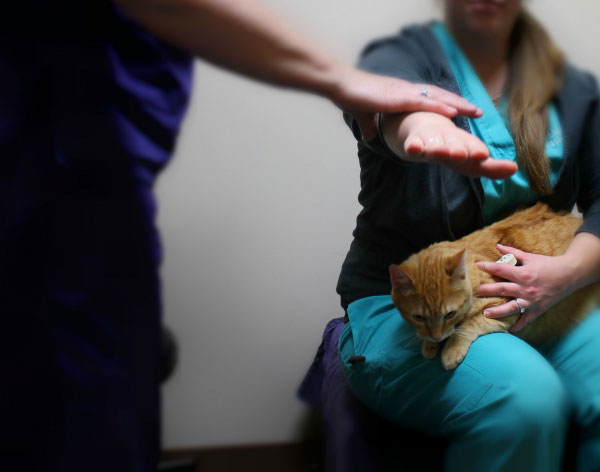
Skin Allergy Treatment for Dogs & Cats in Lenexa, KS
Constant scratching, licking and chewing can make life miserable for your pet and your household. At Mariposa Veterinary Wellness Center in Lenexa, KS, we identify what is triggering your pet’s allergies and build a plan that combines conventional relief with nutrition, herbal support and the drug-free Allergy Elimination Technique to calm the itch and protect healthy skin.
What Causes Skin Allergies in Pets?
Allergies occur when your pet’s immune system overreacts to something that is normally harmless. In dogs and cats, the most common triggers are:
- Environmental allergens: Pollens, grasses, molds and dust mites, often causing seasonal flare-ups that may become year-round
- Flea allergy dermatitis: A single flea bite can cause intense itching in sensitive pets
- Food allergies: Reactions to specific proteins or ingredients in the diet
- Contact allergies: Reactions to cleaning products, fabrics or plants
Allergies damage the skin barrier, which allows bacteria and yeast to multiply. That is why allergic pets frequently develop secondary skin infections and recurring ear infections.
Signs of Allergies
- Scratching, licking or chewing the paws, belly, armpits or tail base
- Red, inflamed or darkened skin
- Hair loss, scabs or hot spots
- Head shaking and smelly ears
- Scooting or licking the rear end
- Overgrooming and thinning fur in cats
- Vomiting, diarrhea or frequent bowel movements with food allergies
Diagnosing the Source of the Itch
Because many skin problems look similar, our team starts by ruling out parasites, infections and other diseases. Diagnostics may include skin scrapings, cytology to identify bacteria and yeast, flea combing and blood work. Food allergies are diagnosed with a carefully planned elimination diet, and our nutritional counseling helps you choose the right food and stick with the trial.
Integrative Allergy Treatment
Most allergies cannot be cured, but they can be controlled. At Mariposa Veterinary Wellness Center, we tailor each plan to your pet and may combine:
- Medications to stop itching quickly and treatment for secondary infections
- Medicated shampoos, topical therapies and year-round flea prevention
- Diet changes and whole food Standard Process supplements that support skin health
- The Allergy Elimination Technique, a drug-free desensitization approach
- Herbal medicine and Traditional Chinese Veterinary Medicine
- Acupuncture to support immune balance and comfort
- Laser therapy for hot spots and lick granulomas
Living With an Allergic Pet
Allergy management is a long-term partnership. Regular recheck visits allow us to adjust treatment as seasons change, and routine wellness exams help catch flare-ups before infections set in. Wiping paws after walks, bathing as directed and keeping flea prevention current all help reduce symptoms. Chronic digestive signs may point to inflammatory bowel disease, which we also evaluate.
Pet Allergy FAQs
What are the most common allergies in dogs and cats?
Environmental allergies to pollens, molds and dust mites, flea allergy dermatitis and food allergies are the most common. Many pets have more than one type.
Why does my dog keep licking his paws?
Paw licking is one of the most common signs of allergies. It can also be caused by infections, injuries or pain, so it is best to have your pet examined.
How is a food allergy diagnosed?
Food allergies are diagnosed with an elimination diet using a new or hydrolyzed protein for about eight to twelve weeks, followed by a food challenge to confirm the trigger.
What is the Allergy Elimination Technique?
It is a drug-free desensitization approach that combines energy balancing, testing and treatment methods drawn from acupressure, kinesiology, chiropractic and nutritional medicine to help reduce allergic reactions.
Can allergies cause ear infections?
Yes. Allergies are one of the most common underlying causes of recurring ear infections in dogs and cats.
Are allergies curable?
Most allergies can be managed but not cured. With the right combination of treatments, many pets live comfortably with minimal flare-ups.
Do cats get skin allergies too?
Yes. Allergic cats often overgroom, develop thinning fur or scabs around the head and neck, and may have digestive signs with food allergies.
Relief for Your Itchy Pet
Do not let allergies keep your pet uncomfortable. Call (913) 825-3330 to schedule an allergy evaluation at Mariposa Veterinary Wellness Center.